The latest from neuroscience.
Short, timely briefings on new studies and discoveries across neuroscience, psychology, sleep, memory and brain health.

Helping a Waiter Clear the Table May Reveal More Than Simple Politeness
That instinctive gesture at the end of a restaurant meal can reflect empathy, cooperation and awareness of another person's effort — but psychologists caution against reading a whole personality from a single act.

Learning Another Language Could Make Your Brain More Efficient
Managing two languages forces the brain to constantly select relevant words and suppress competing ones — a subtle daily workout for cognitive control and information processing.

Why Can We Write Things We Could Never Say Out Loud?
Writing removes immediate social pressure, giving the brain more time to organize thoughts, regulate emotions and turn difficult internal experiences into language.
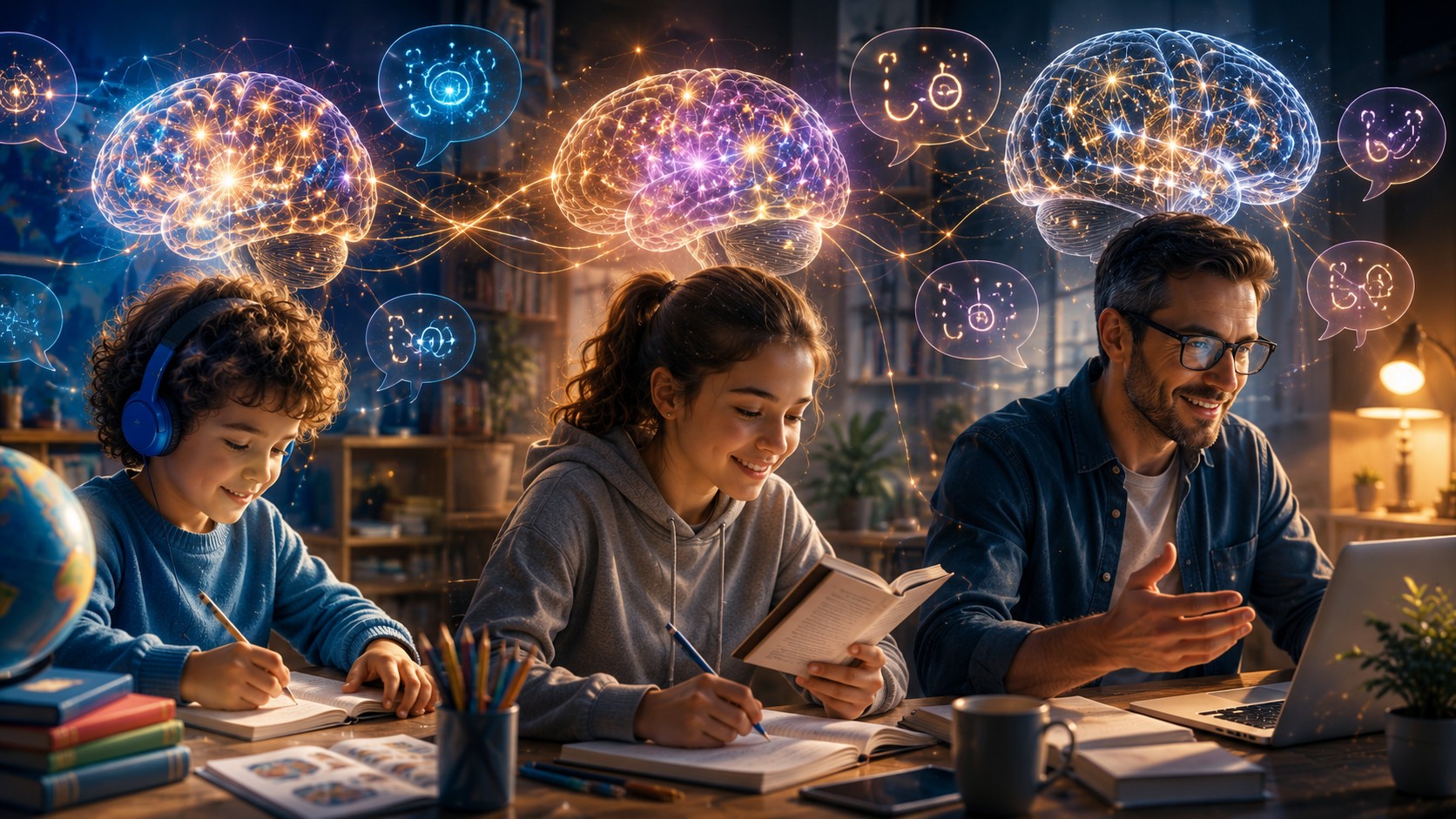
What Is the Best Age to Learn a Second Language? Science Has an Answer
A study of nearly 670,000 people suggests the brain remains highly efficient at language learning until around age 17–18 — but native-like grammatical mastery usually requires starting much earlier.

Carl Jung's "Social Mask": Are You Living as Yourself — or as the Person Others Expect?
According to Carl Jung, social adaptation gradually creates a "persona" — the face we present to the world. Useful, but easily mistaken for our whole identity.
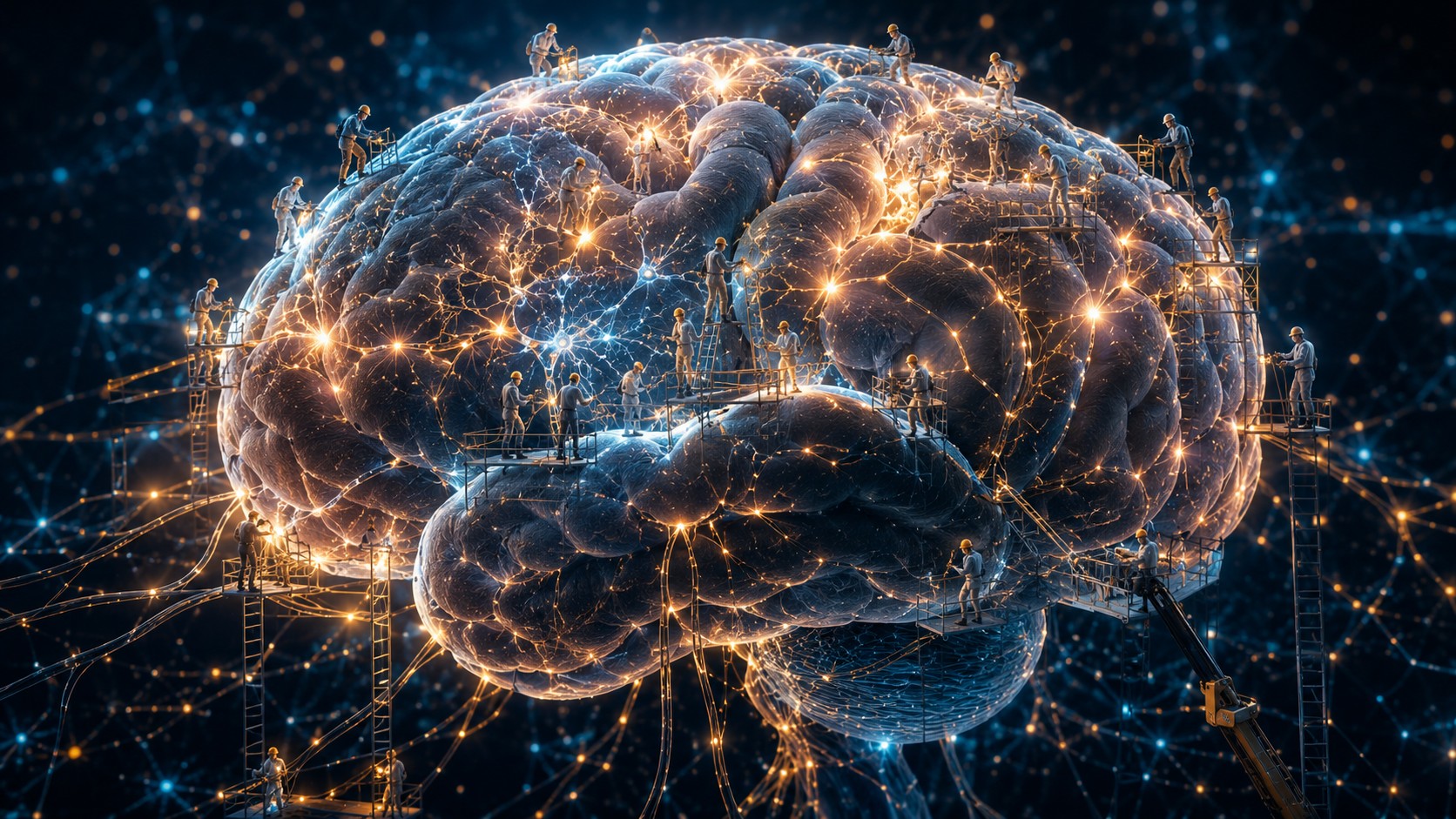
Your Brain Never Stops Changing
A recent feature highlights one of neuroscience's most important discoveries: the adult brain keeps adapting, reorganizing and reshaping itself long after childhood.
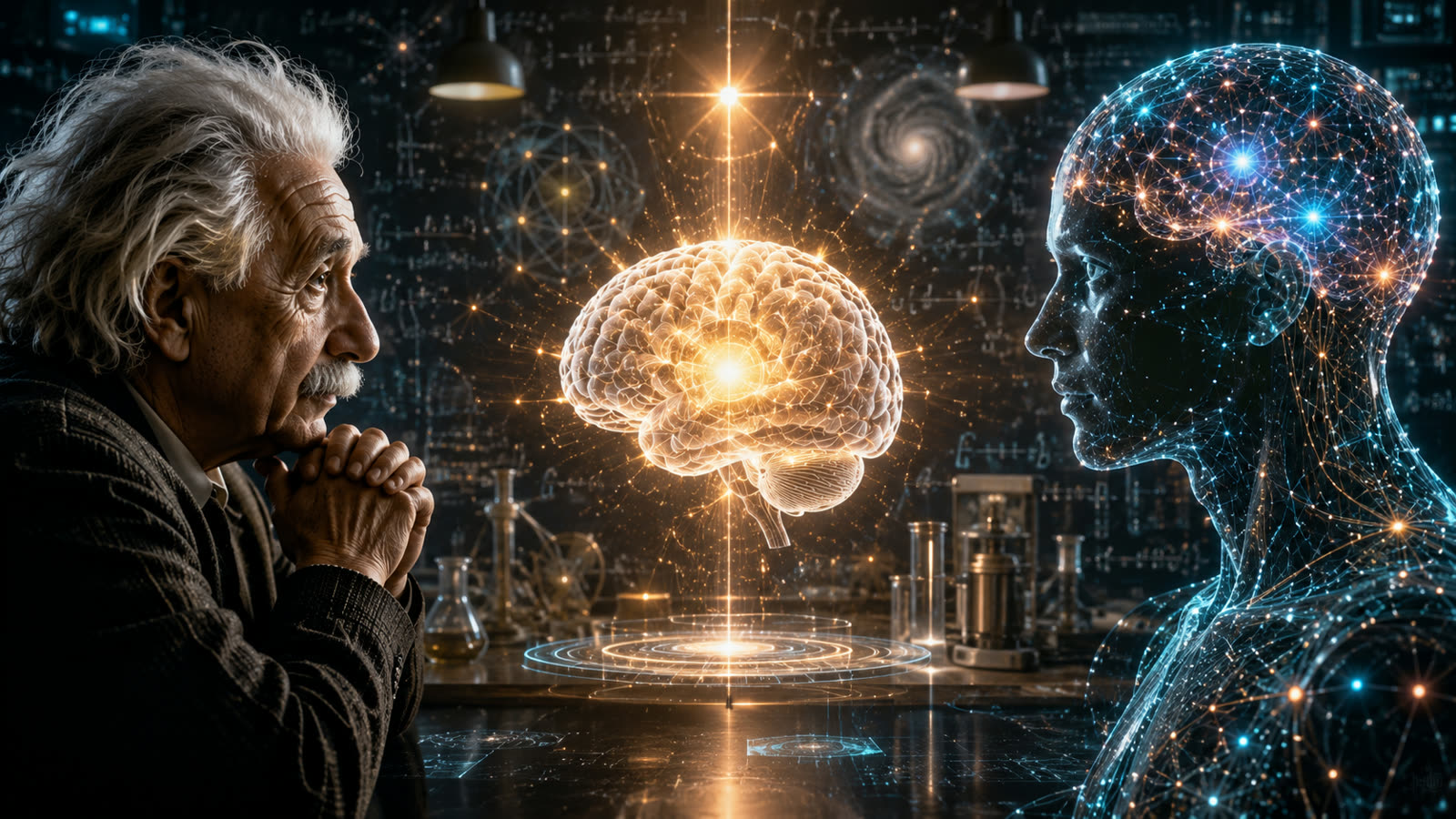
Will AI Ever Surpass Einstein? Nobel Prize Winner Alain Aspect Weighs In
AI can analyze data and generate hypotheses at remarkable speed — but according to Nobel laureate Alain Aspect, true scientific breakthroughs still depend on uniquely human curiosity, intuition and imagination.

Stop Trying to Become "The Best Version of Yourself"
Psychiatrist Caroline Depuydt argues the popular self-help slogan can fuel perfectionism. A healthier question: how can I become a little better than I was yesterday?
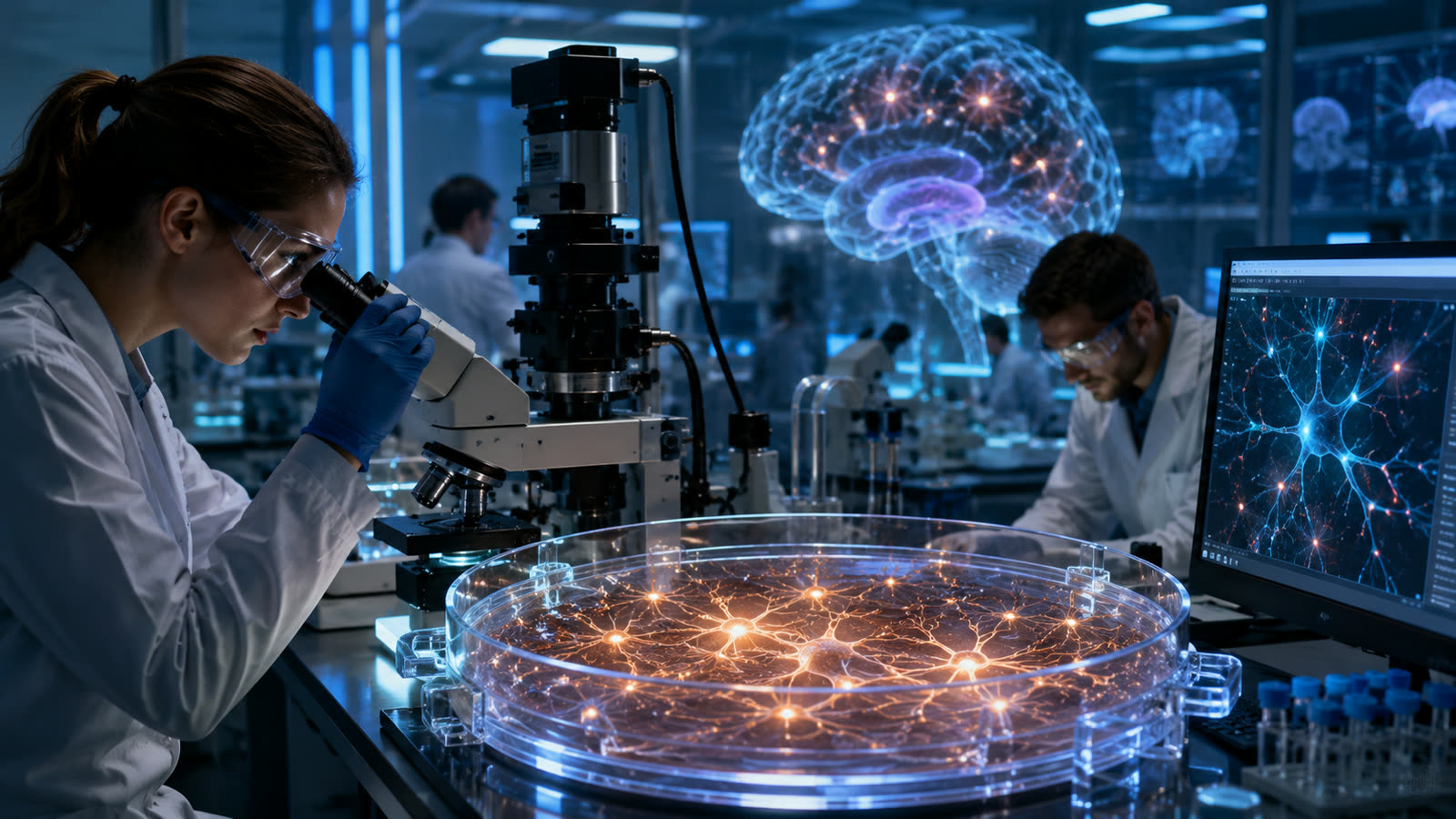
Neither Alive nor Dead? How Isolated Human Brains Are Advancing Medical Research
Small samples of living human brain tissue — kept functional in the lab under strict ethical guidelines — are opening new windows into Alzheimer's, Parkinson's, epilepsy and brain tumors.
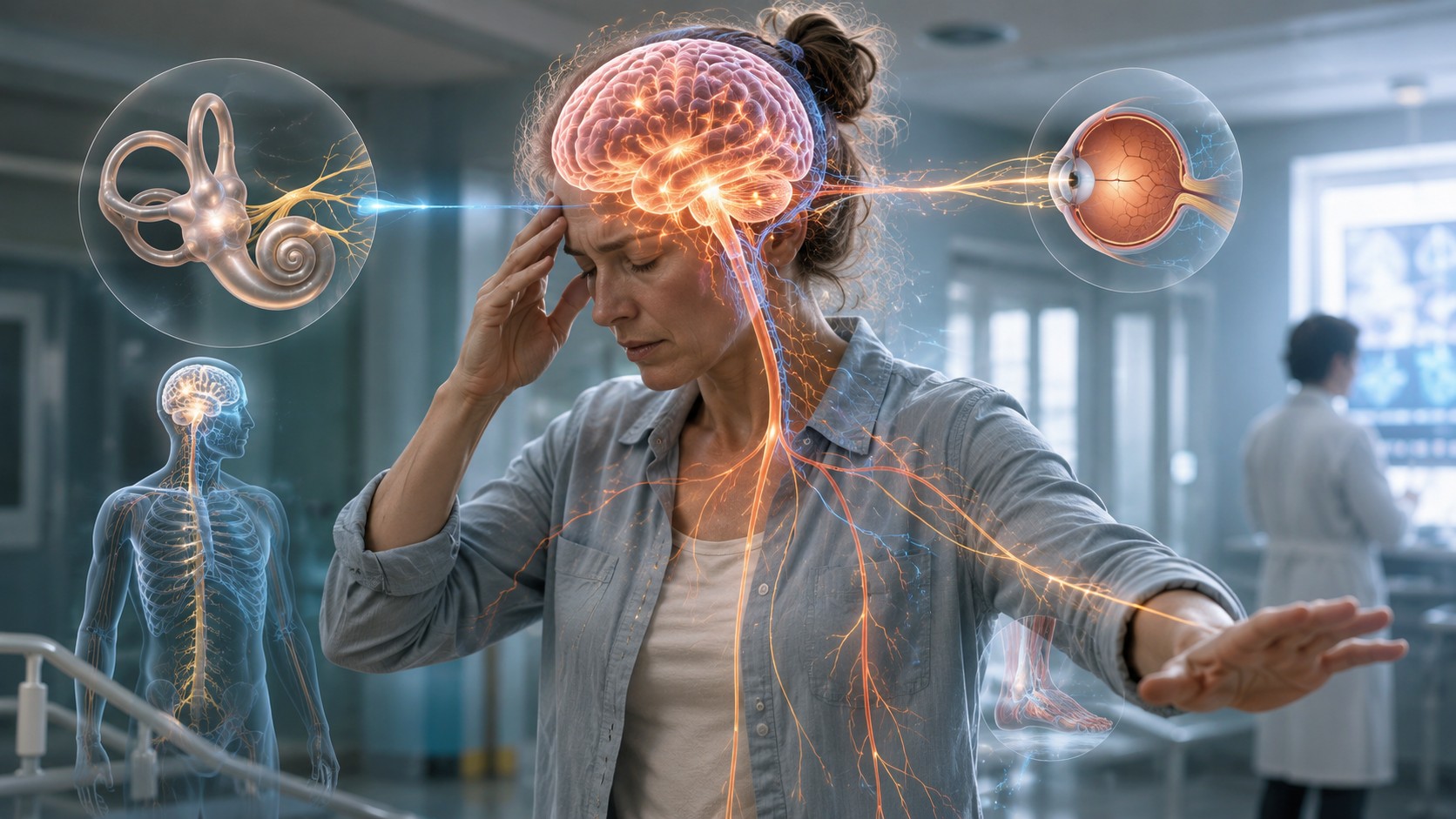
Vertigo or Balance Problems? Your Brain May Be Part of the Story
Dizziness isn't always an inner-ear issue. Balance depends on the brain integrating signals from the vestibular system, vision and body sensors in real time.
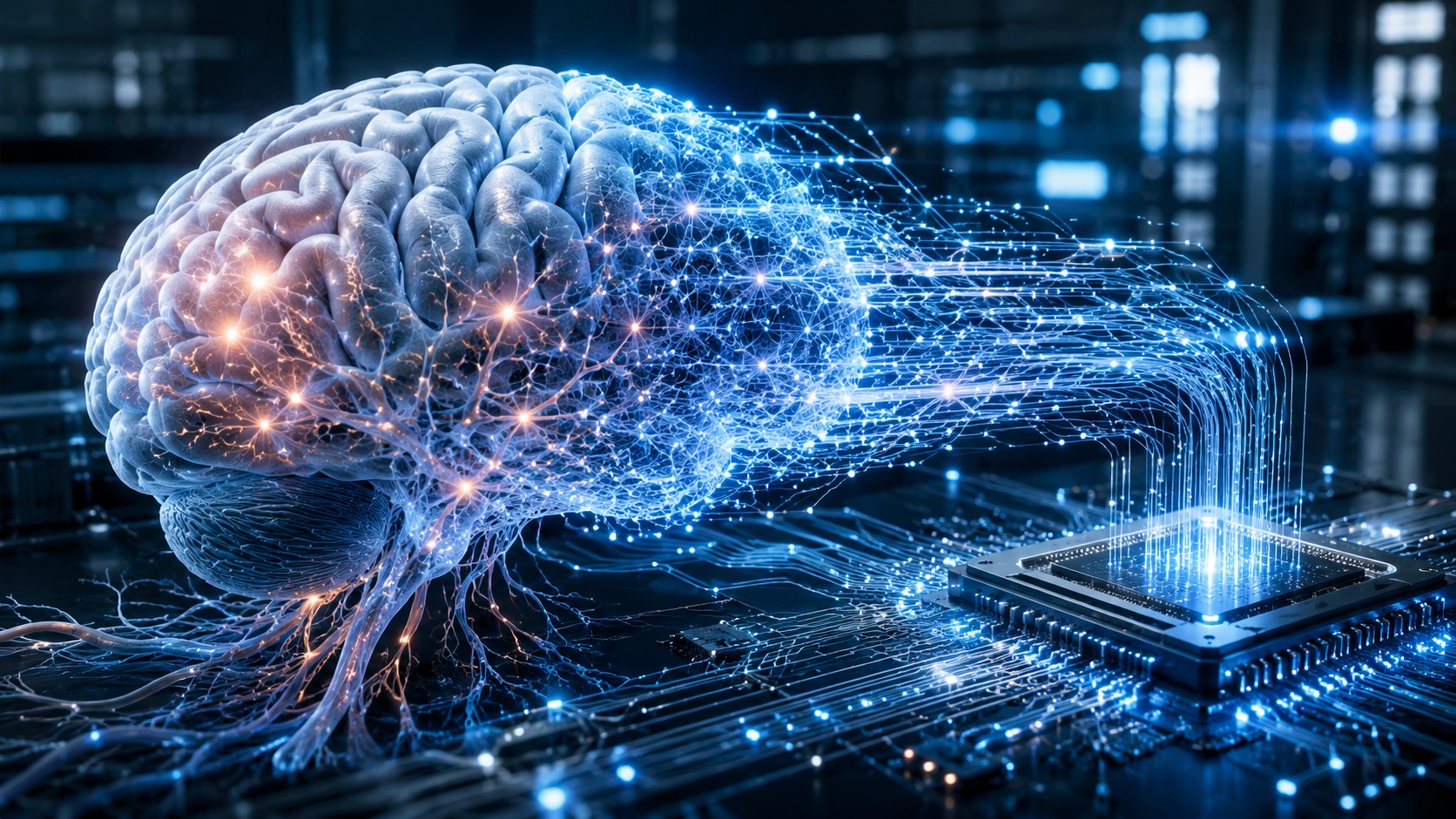
A New AI Inspired by the Human Brain Could Improve Reasoning
Researchers at EPFL are designing large language models that mimic how the brain selectively activates neural circuits — making AI faster, more efficient and better at reasoning.
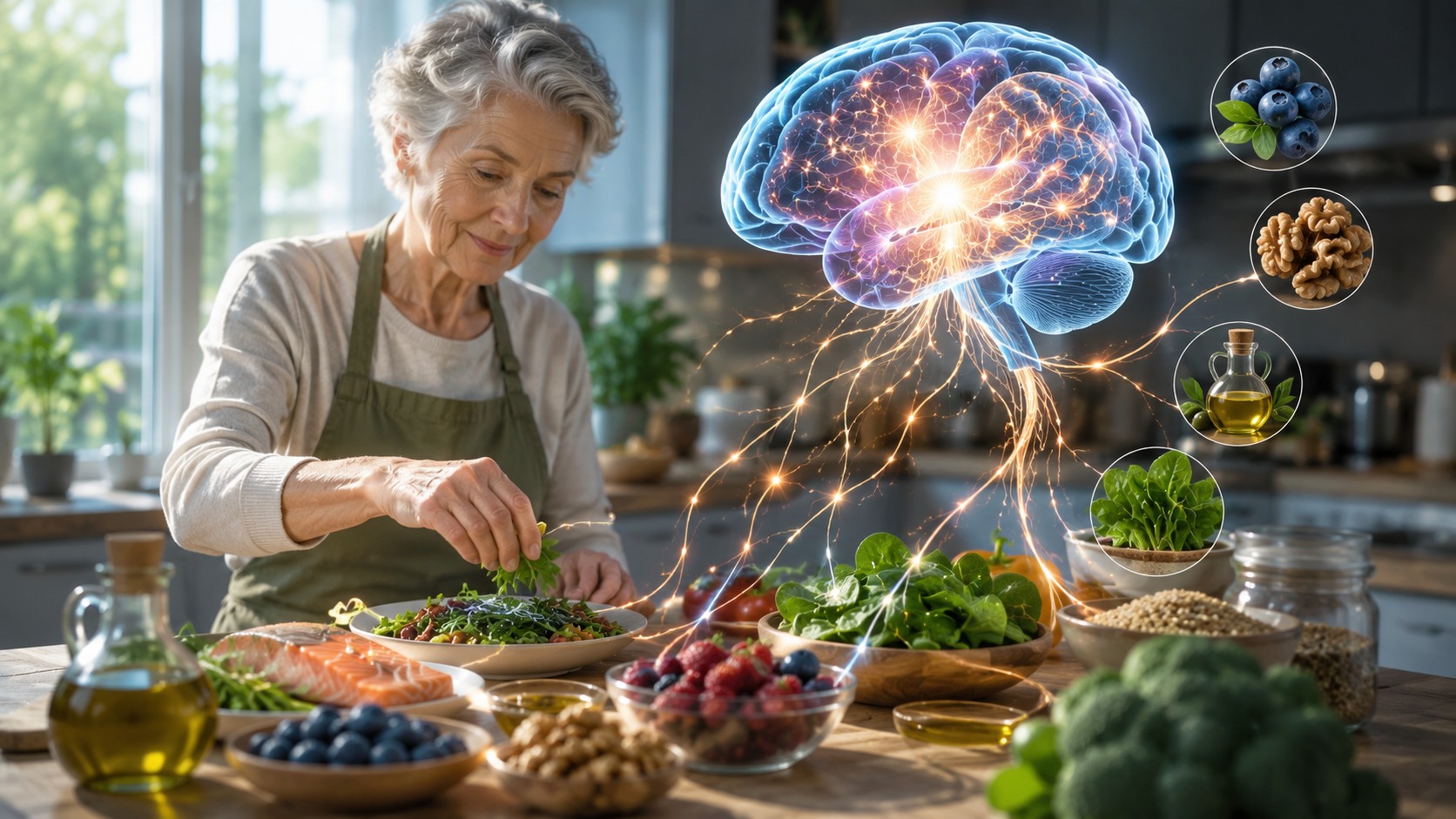
They Ate Healthy for Years — So Why Did Their Brains Still Decline?
Healthy eating may not be enough on its own. Targeted patterns like the MIND diet, combined with sleep, exercise and learning, show measurable brain benefits.
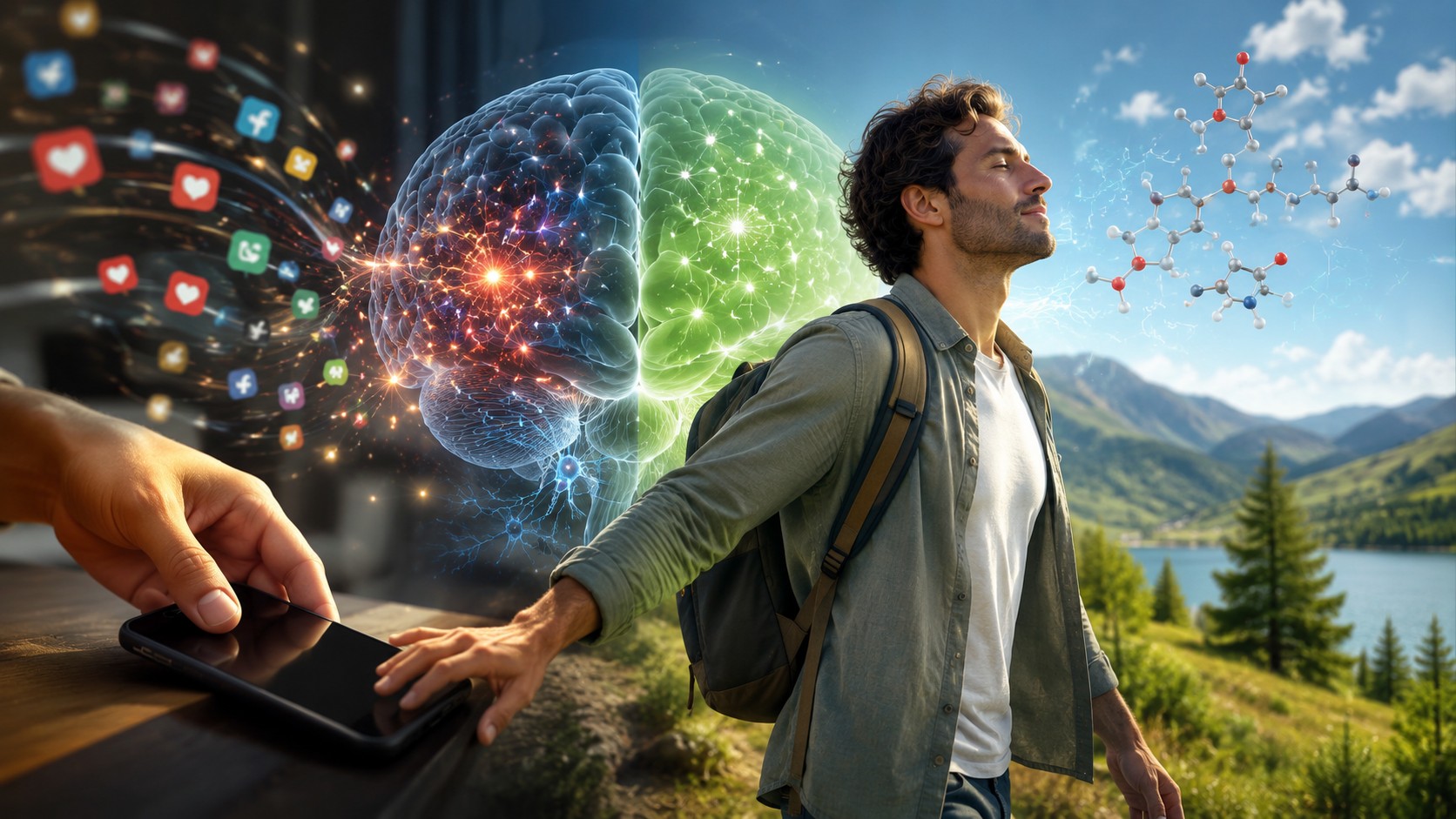
Dopamine Detox: Science or Social Media Myth?
The idea of a "dopamine detox" has gone viral, but neuroscience paints a more nuanced picture. You can't flush out dopamine — but reducing overstimulation does help.
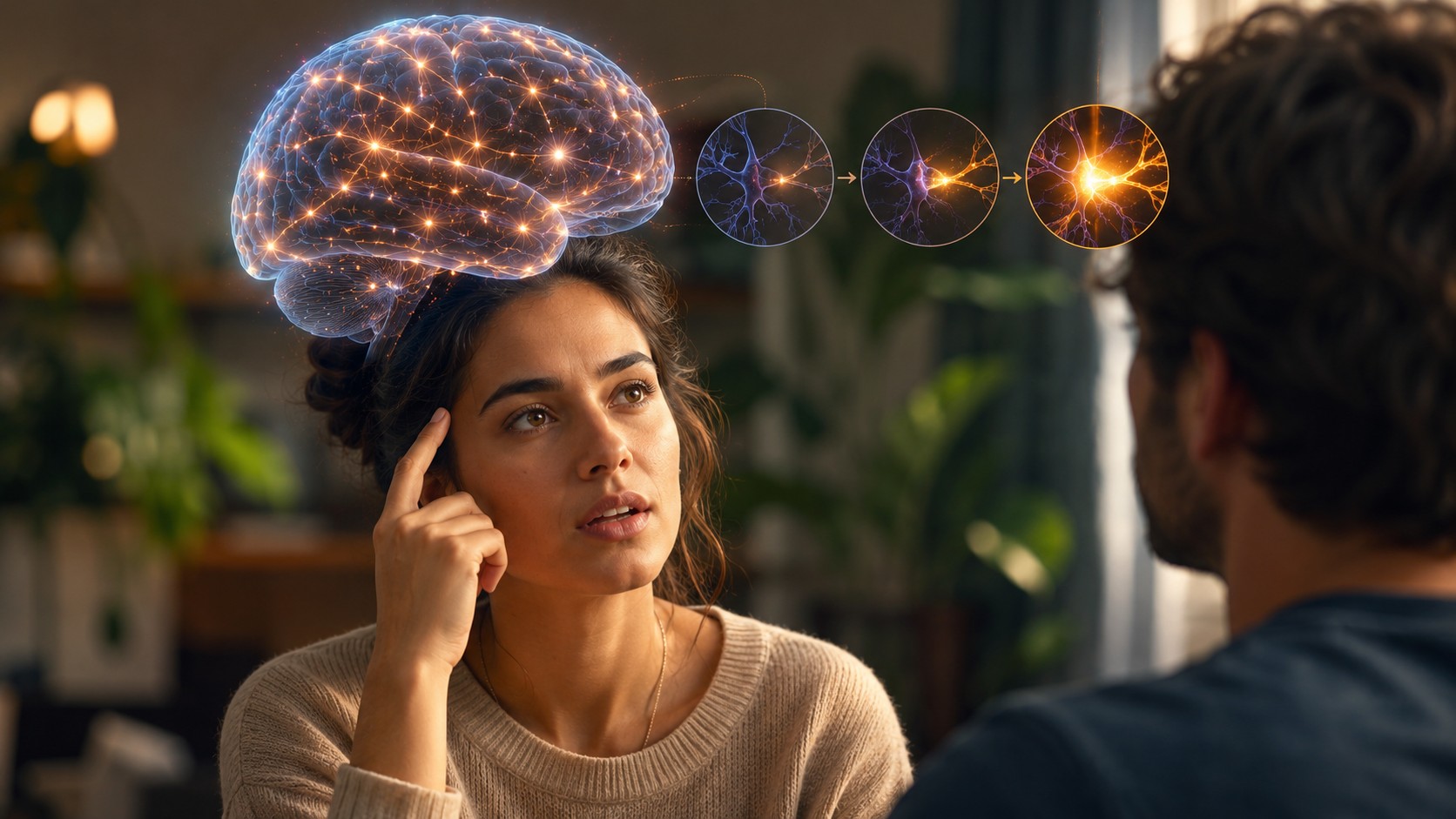
Can't Find the Right Word? Don't Panic — It's Usually Normal
Those "tip-of-the-tongue" moments are usually a normal part of how memory works — the brain retrieves the meaning but temporarily fails to access the word's sound.
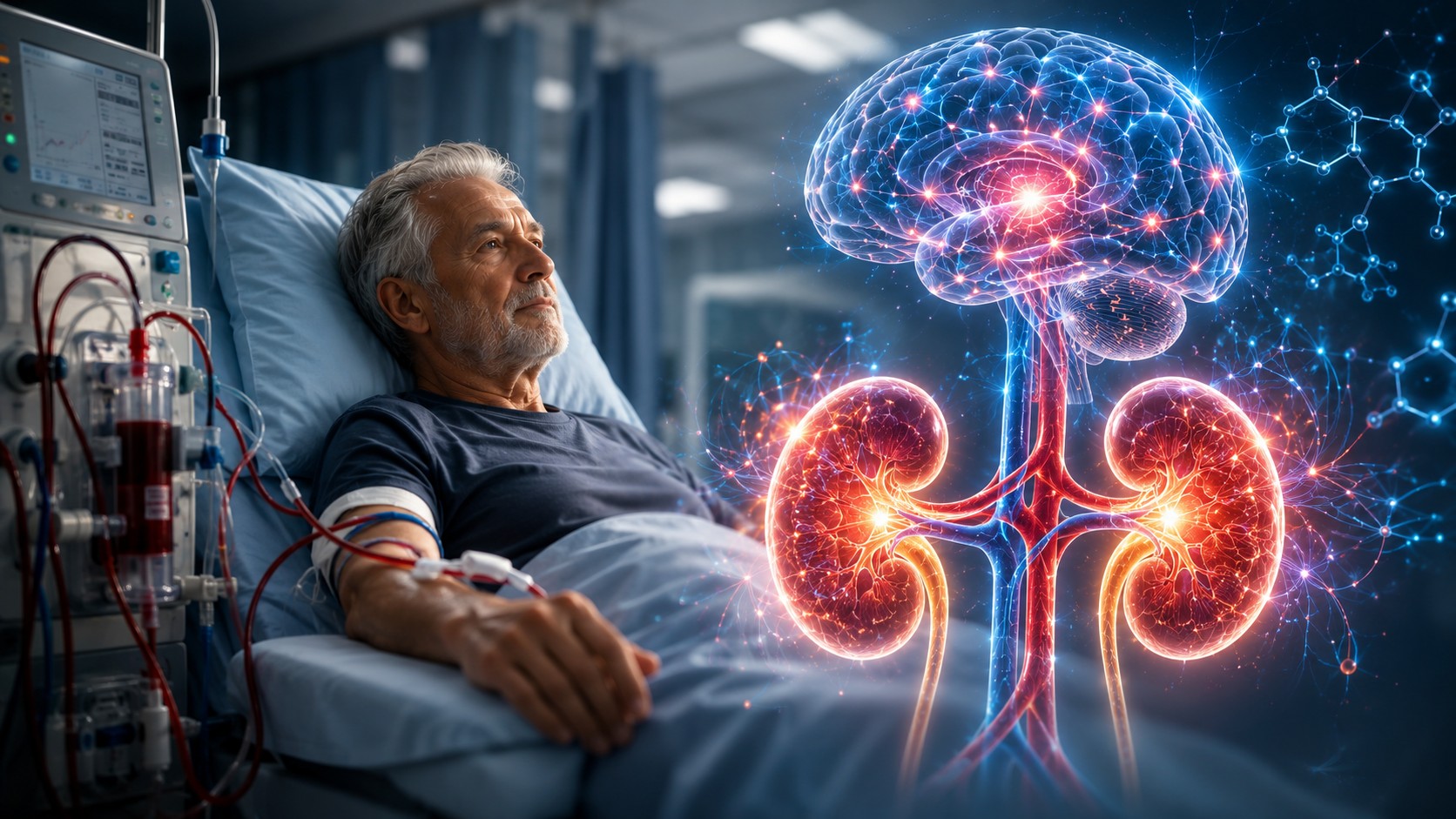
Kidney Disease Doesn't Just Affect the Kidneys — It Can Also Impact the Brain
Up to 70% of people on dialysis may experience cognitive impairment. Researchers are uncovering the biological links between kidney function and brain health.
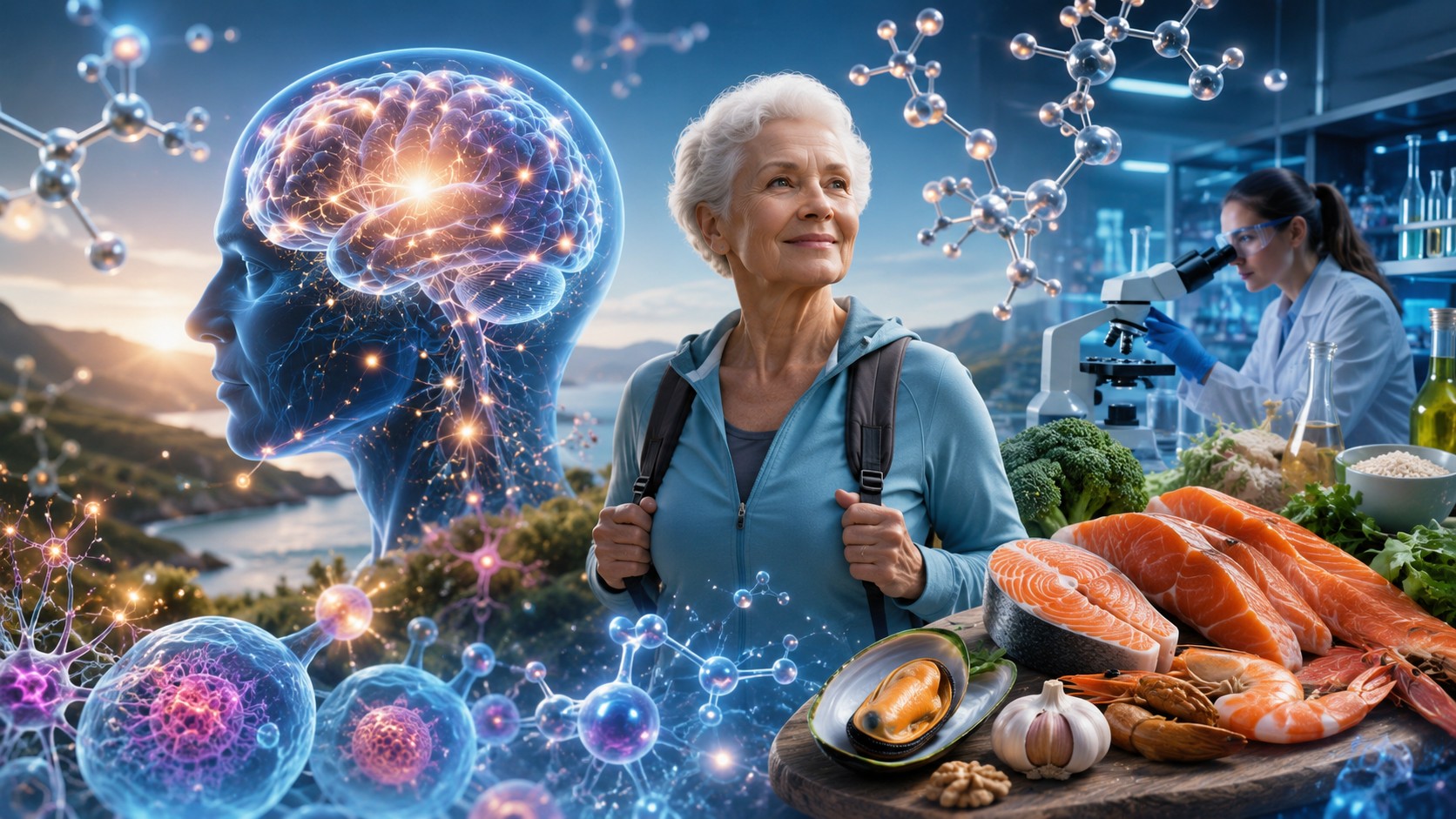
Could Taurine Help You Live Longer? The Science Is Promising — but Not Settled
Taurine, an amino acid found in fish and meat, is being studied for its potential role in healthy aging. Animal studies are promising, but human evidence remains limited.
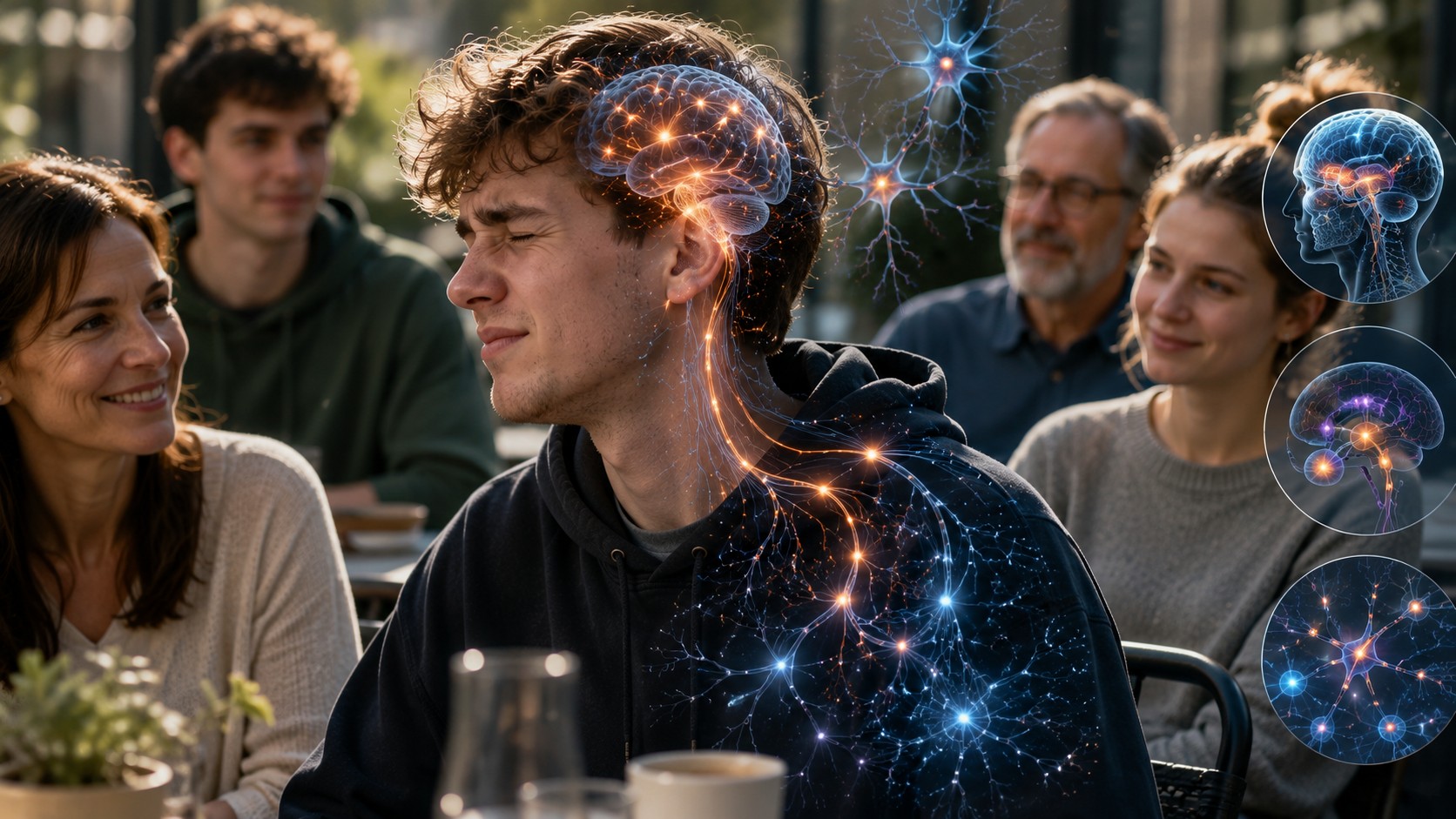
Living with Tourette Syndrome: When the Brain Speaks Before You Do
Tourette syndrome is a neurological condition characterized by involuntary tics. Greater awareness can reduce stigma and help people understand the brain circuits involved.
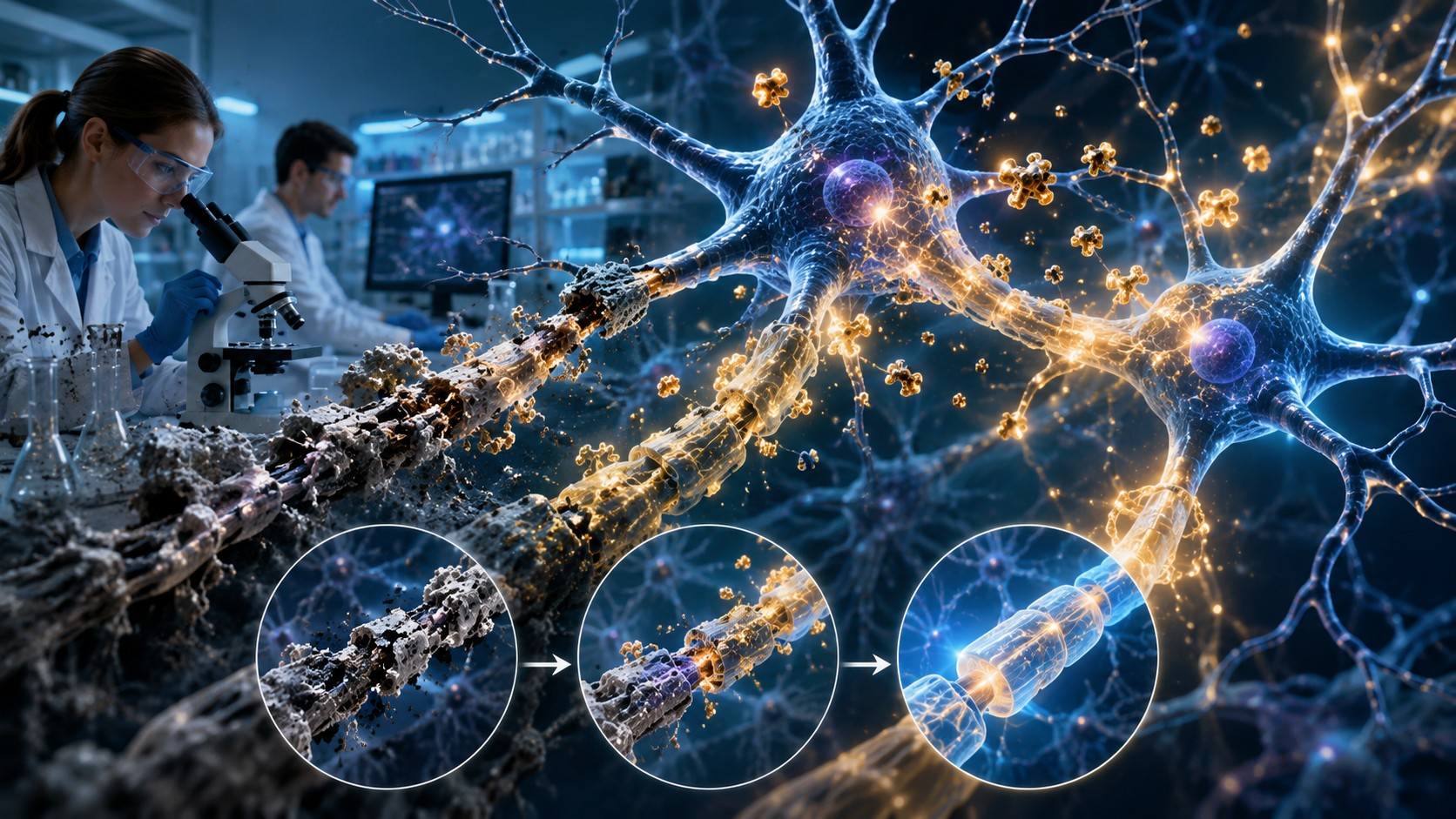
New Hope for ALS: Could Repair Proteins Help Protect Dying Neurons?
Researchers studying ALS — also known as Lou Gehrig's or Charcot disease — have identified repair proteins that may one day help slow the loss of motor neurons.

Scientists May Have Discovered Why Exercise Is So Good for Your Brain
New research is uncovering the biological mechanisms behind exercise's cognitive benefits — from neuroplasticity-boosting molecules to better blood flow, reduced inflammation and sharper memory.

Why Highly Competent People Often Underrate Themselves
Psychology suggests that the most skilled people are often the most likely to question their abilities — a reflection of intellectual humility rooted in the Dunning–Kruger effect.
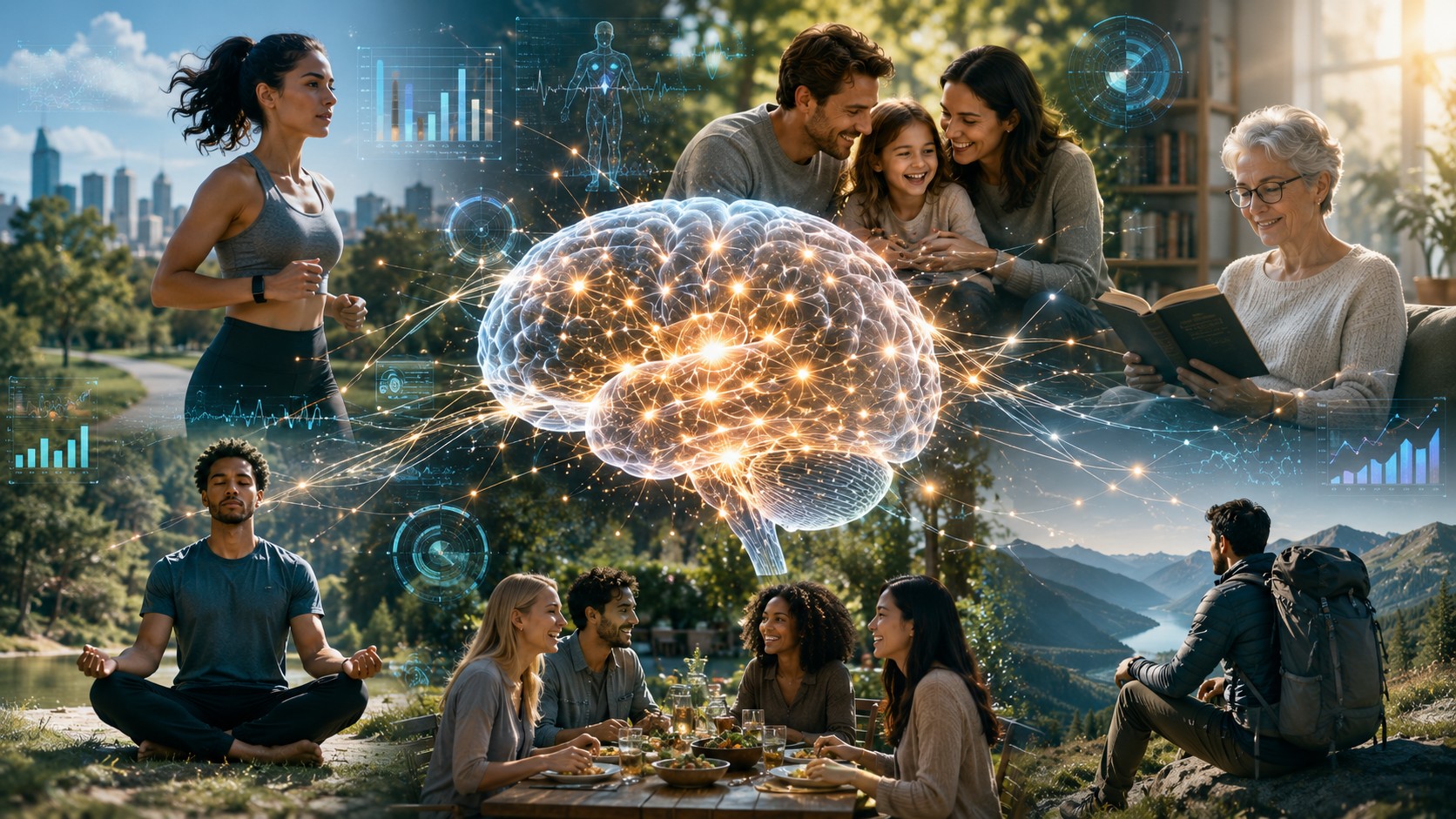
Can You Really Measure Well-Being? Scientists Think So
Happiness may feel deeply personal, but researchers are using validated questionnaires and biological markers to study the habits and environments that help people truly thrive.
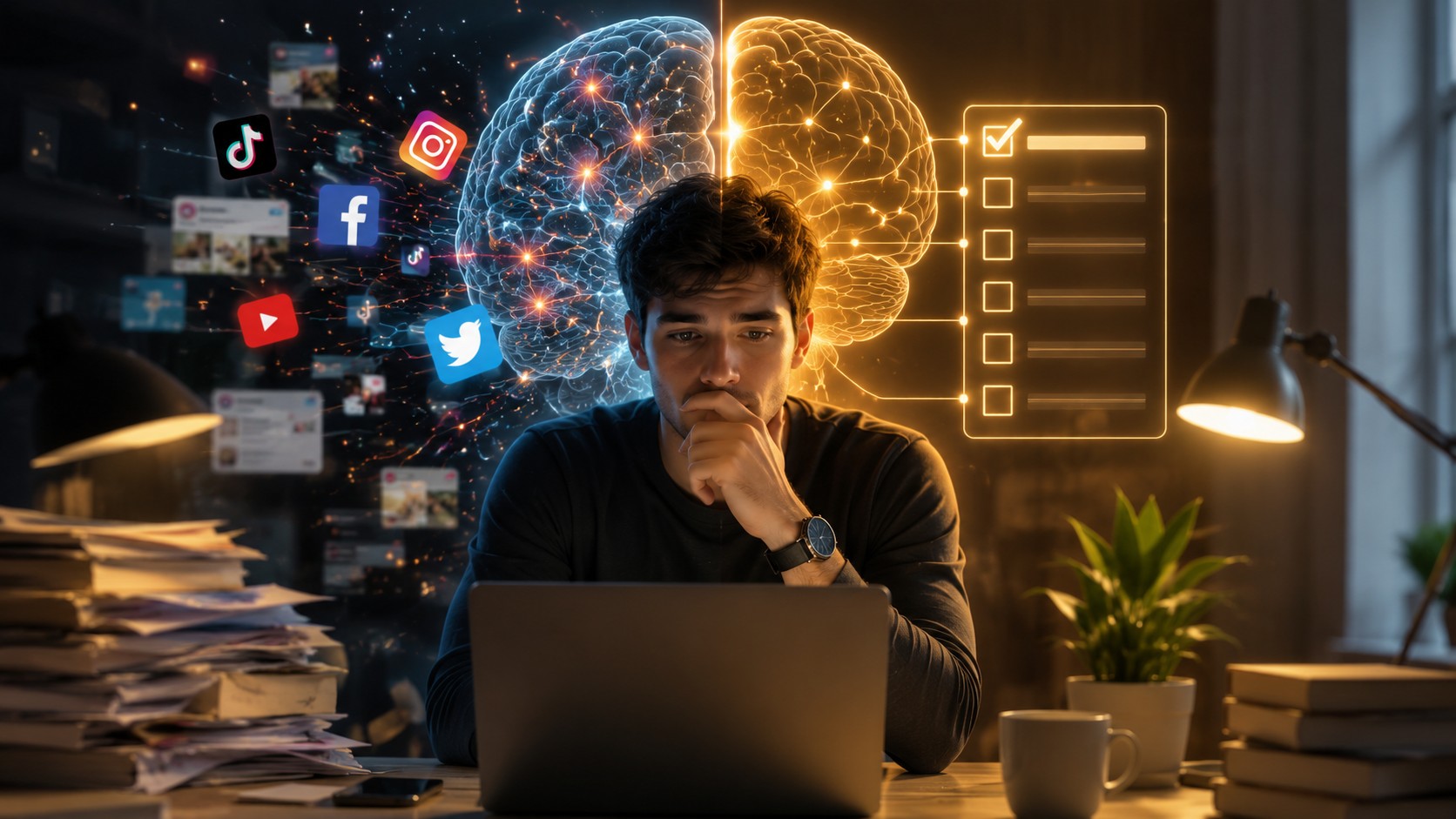
The Real Cure for Procrastination? Psychology Points to Your Emotions, Not Your Laziness
Decades of research suggest procrastination is an emotional regulation problem, not a discipline failure — and the way out is to lower the emotional barrier, not to wait for motivation.
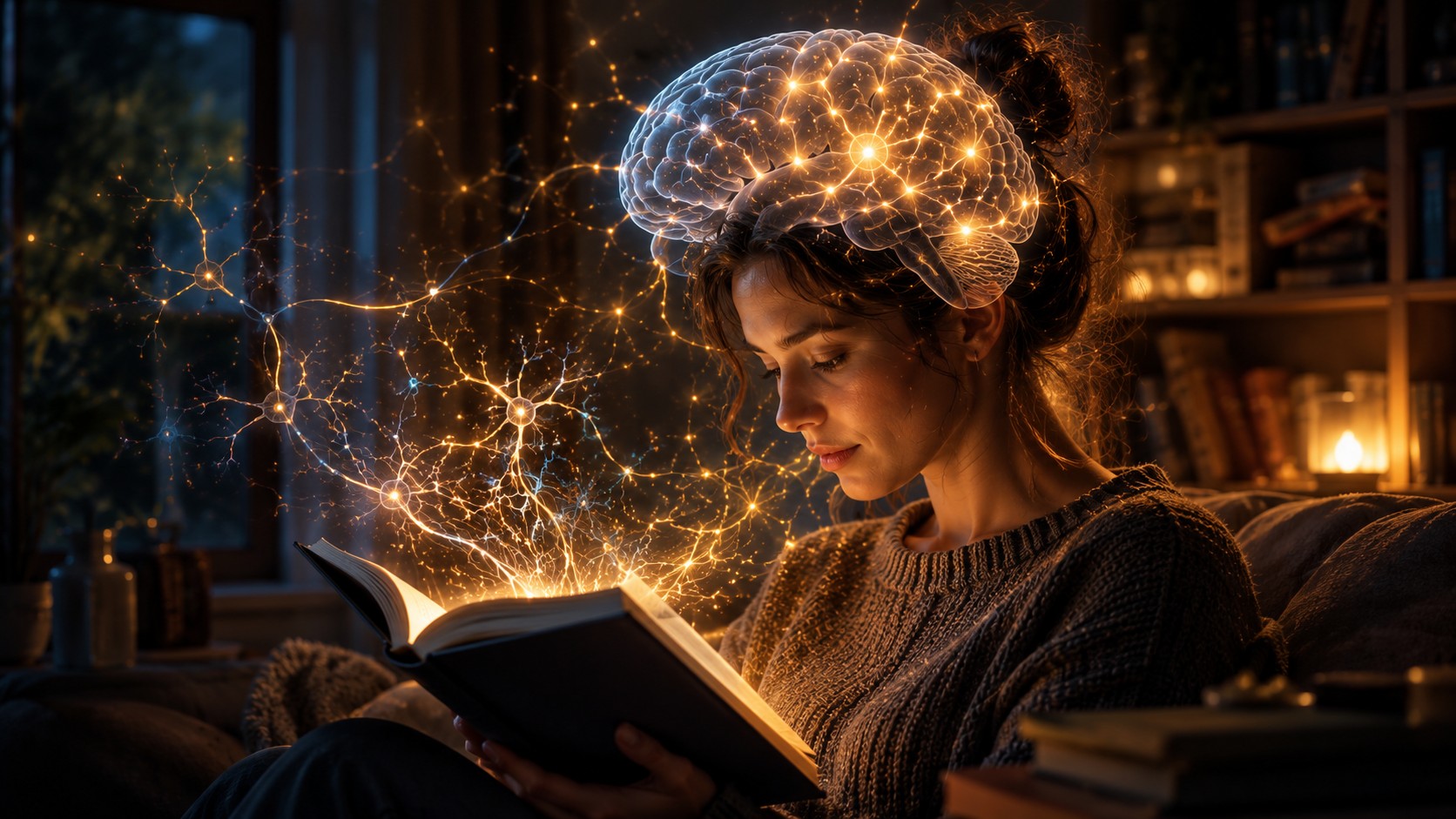
Reading Literally Changes Your Brain — Here's How
Neuroscience reveals that reading is a powerful form of brain training — coordinating language, memory, attention, imagination and empathy, and helping build cognitive reserve over a lifetime.

Heatwaves and Sleep: Why Your Brain Suffers When Nights Stay Hot
When nights stay hot, the body can't lower its core temperature, deep sleep collapses, and your brain pays the price the next day in attention, memory and mood.

Learning to Code in 2026: More Than a Career Skill, It's Brain Training
Programming has become one of the most valuable skills of 2026 — but writing code also trains logic, working memory, attention and problem-solving in ways that strengthen the brain.

When Will Humanoid Robots Do Your Housework? Probably Not as Soon as You Think
Despite rapid progress in AI and robotics, fully autonomous household helpers remain years away — because human homes demand a level of adaptability that's hard to engineer.
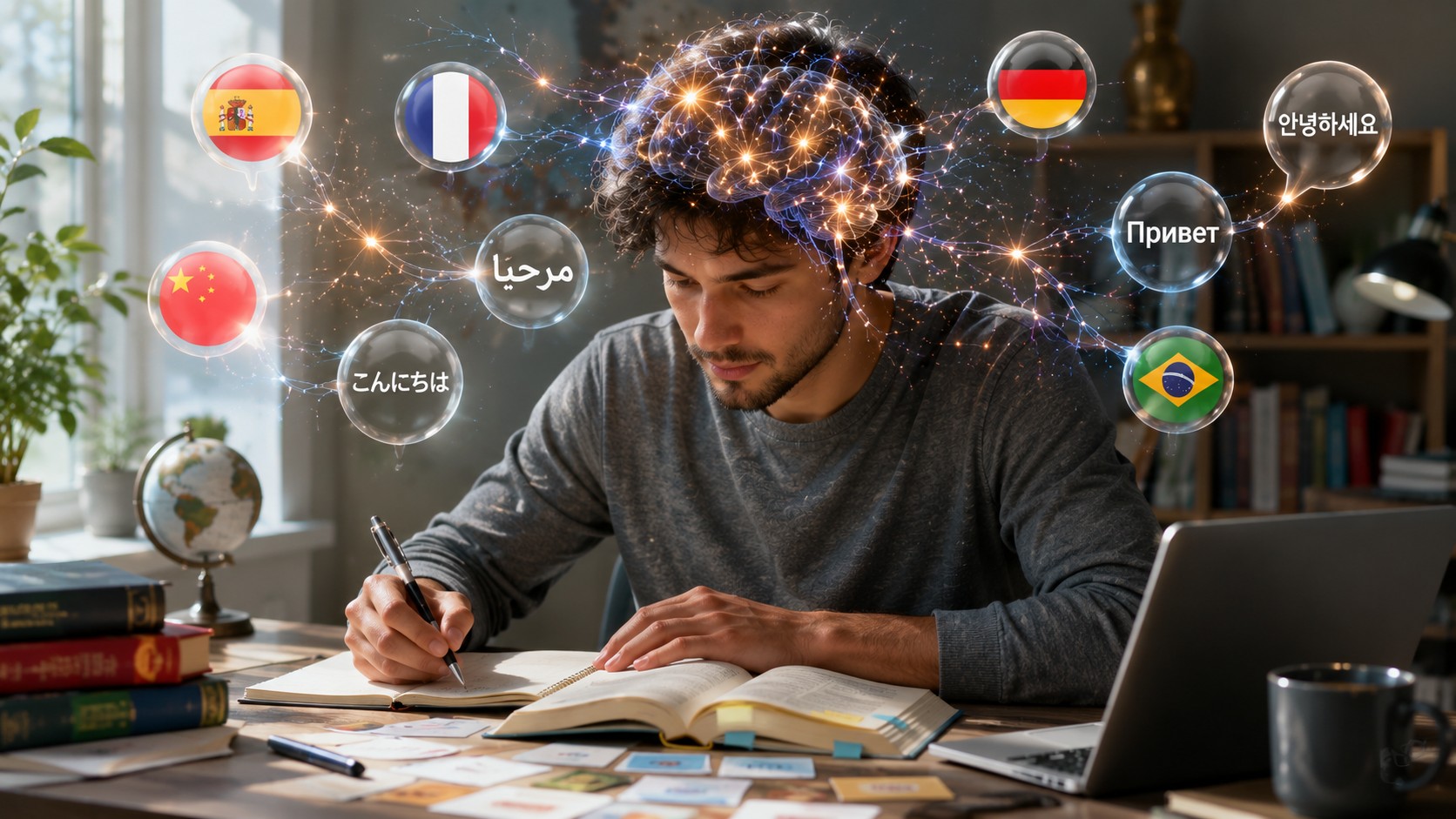
Want to Learn a New Language? Here's What Your Brain Wishes You Knew First
Language learning succeeds with consistent practice, meaningful exposure and patience — not perfection. Neuroscience shows repetition literally rewires the brain.
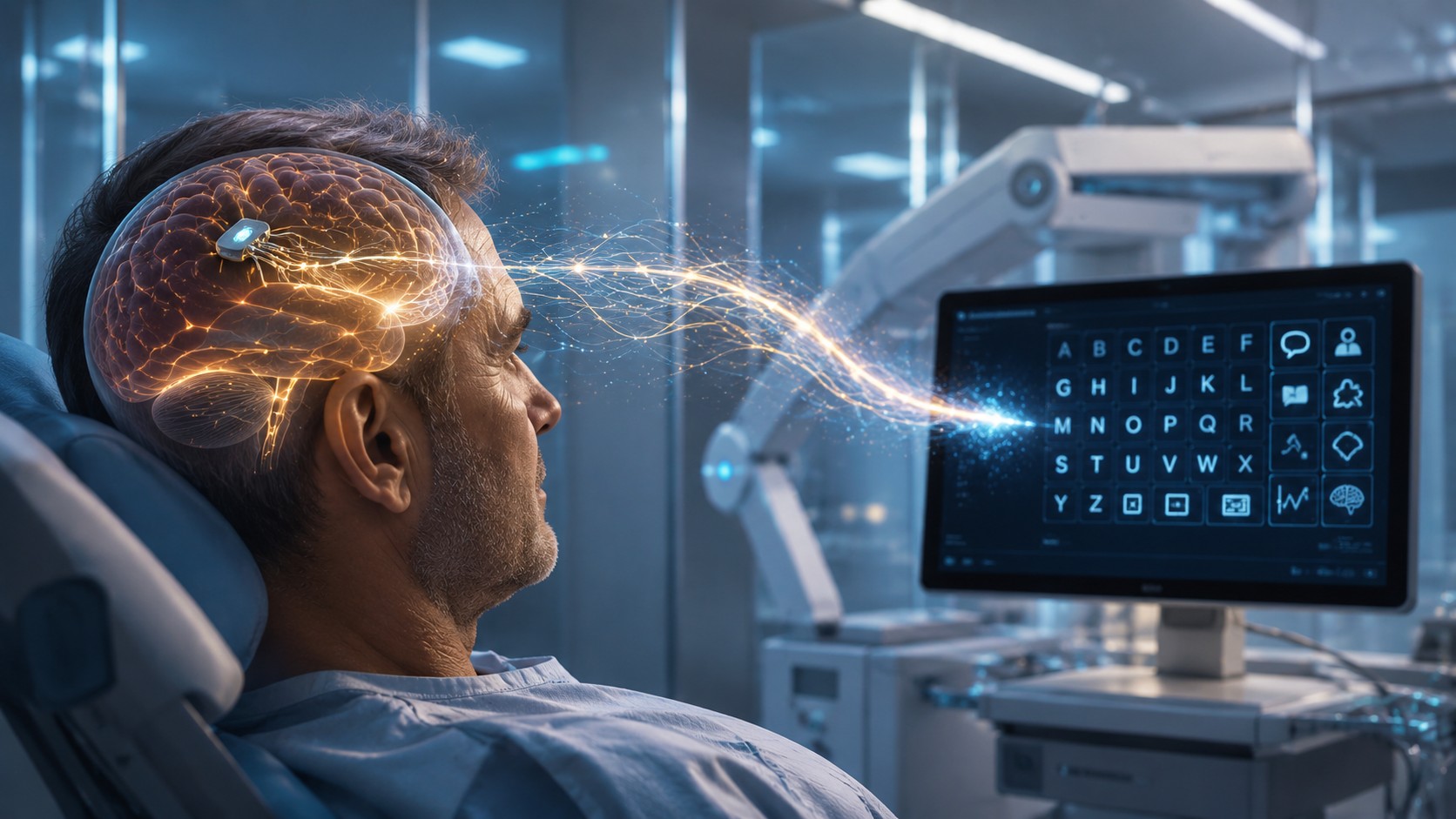
A New Brain Chip Reaches Its First Human Patient
Neurotech company Paradromics has implanted its brain-computer interface in a human for the first time, aiming to help people with paralysis or speech loss communicate again.
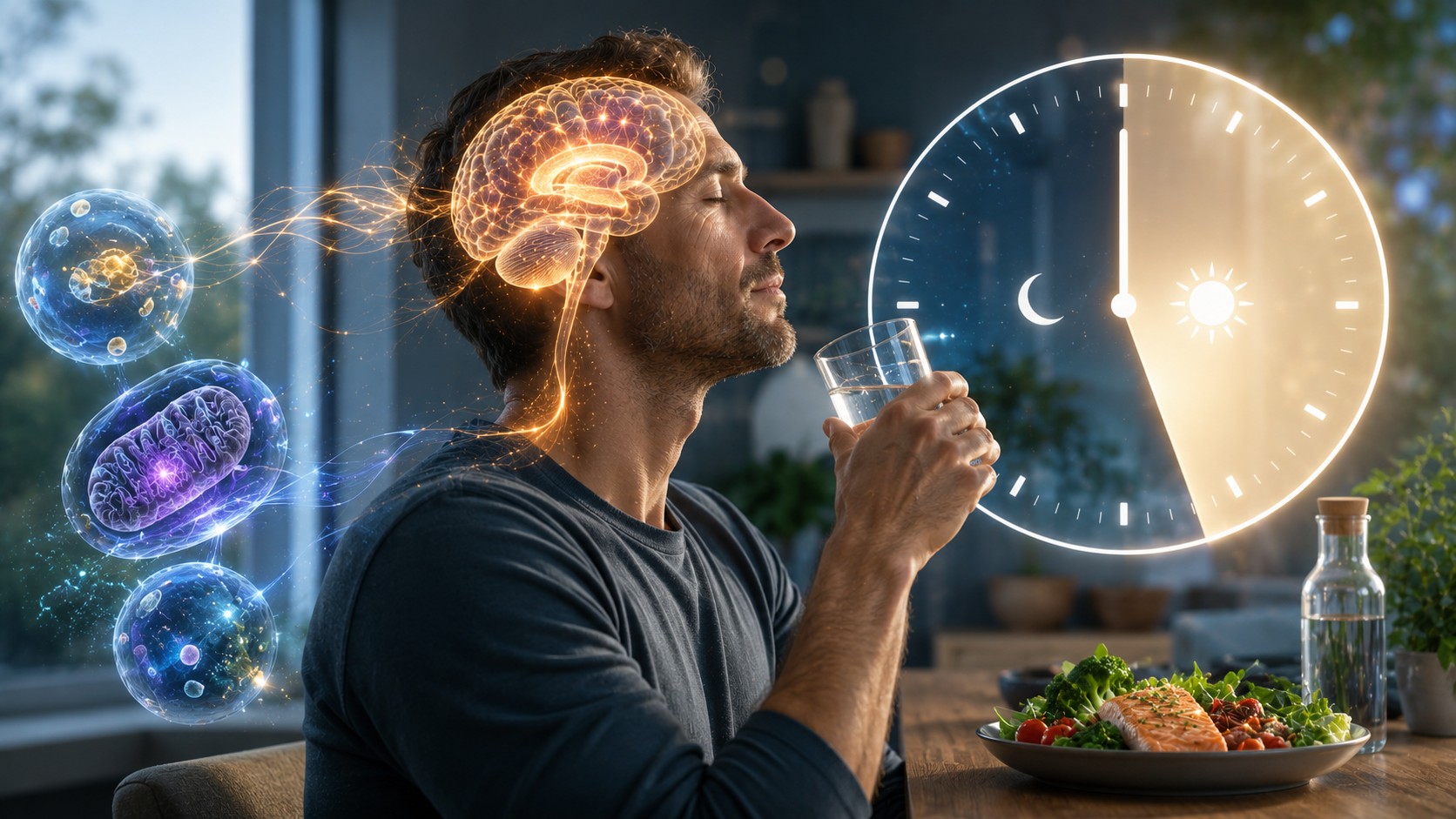
Could Intermittent Fasting Protect Your Brain from Chronic Stress?
New research suggests controlled fasting may activate cellular mechanisms linked to brain resilience, autophagy and energy efficiency — helping the brain cope with chronic stress.
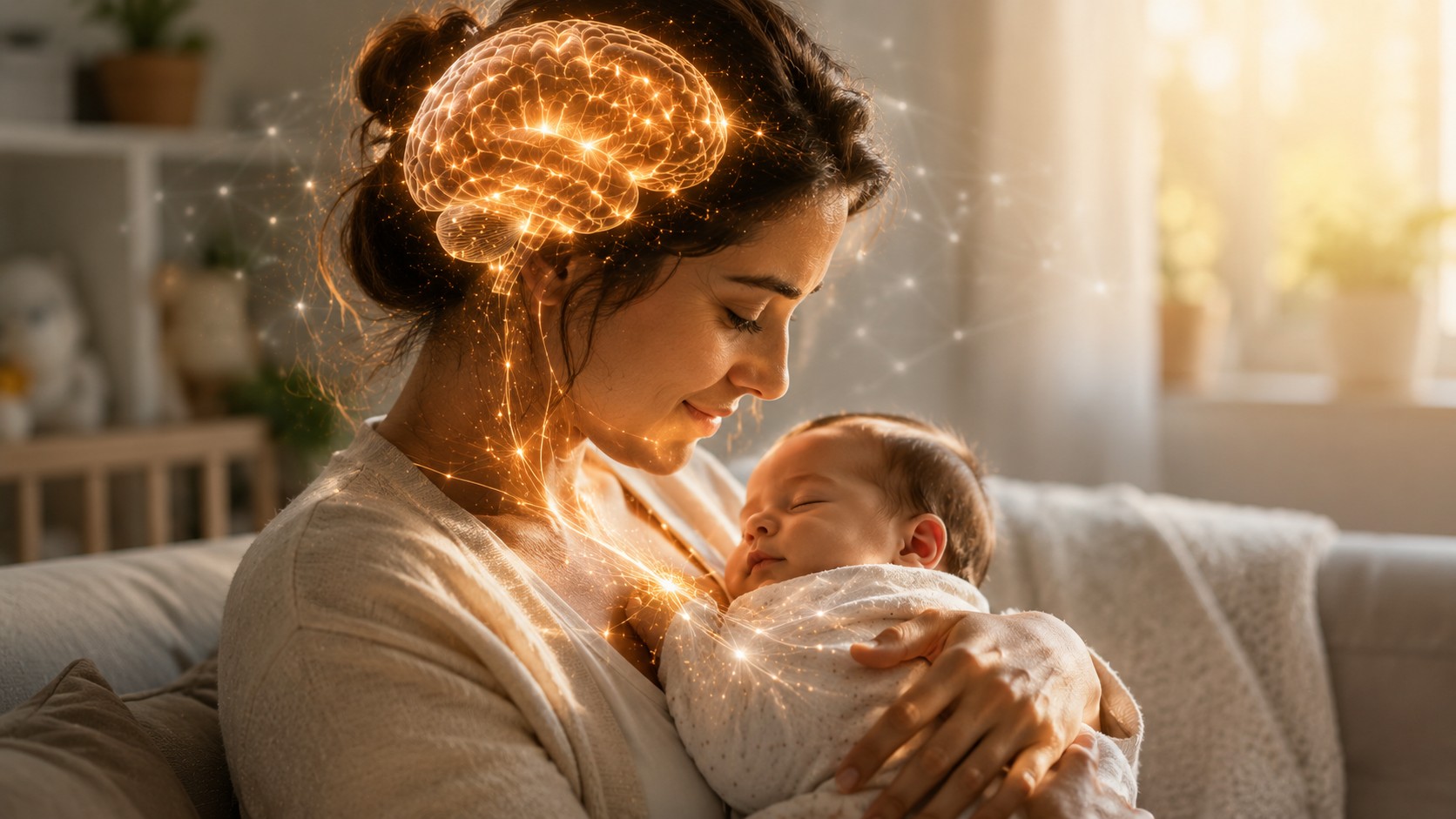
Is "Baby Brain" Real? Neuroscience Says Yes — But Not in the Way You Might Think
Pregnancy and early parenthood reshape the brain in measurable ways. Far from signaling decline, these changes may sharpen social cognition and emotional attunement.

Einstein's Timeless Advice: Don't Chase Success—Chase Value
Einstein urged us to become people of value, not success. Modern psychology and neuroscience suggest purpose-driven living strengthens motivation, resilience and long-term well-being.

Confucius Was Right? Why Simplicity May Be Better for Your Brain
Neuroscience backs Confucius: simplifying routines, cutting distractions and embracing focus can reduce mental fatigue and help the brain perform at its best.
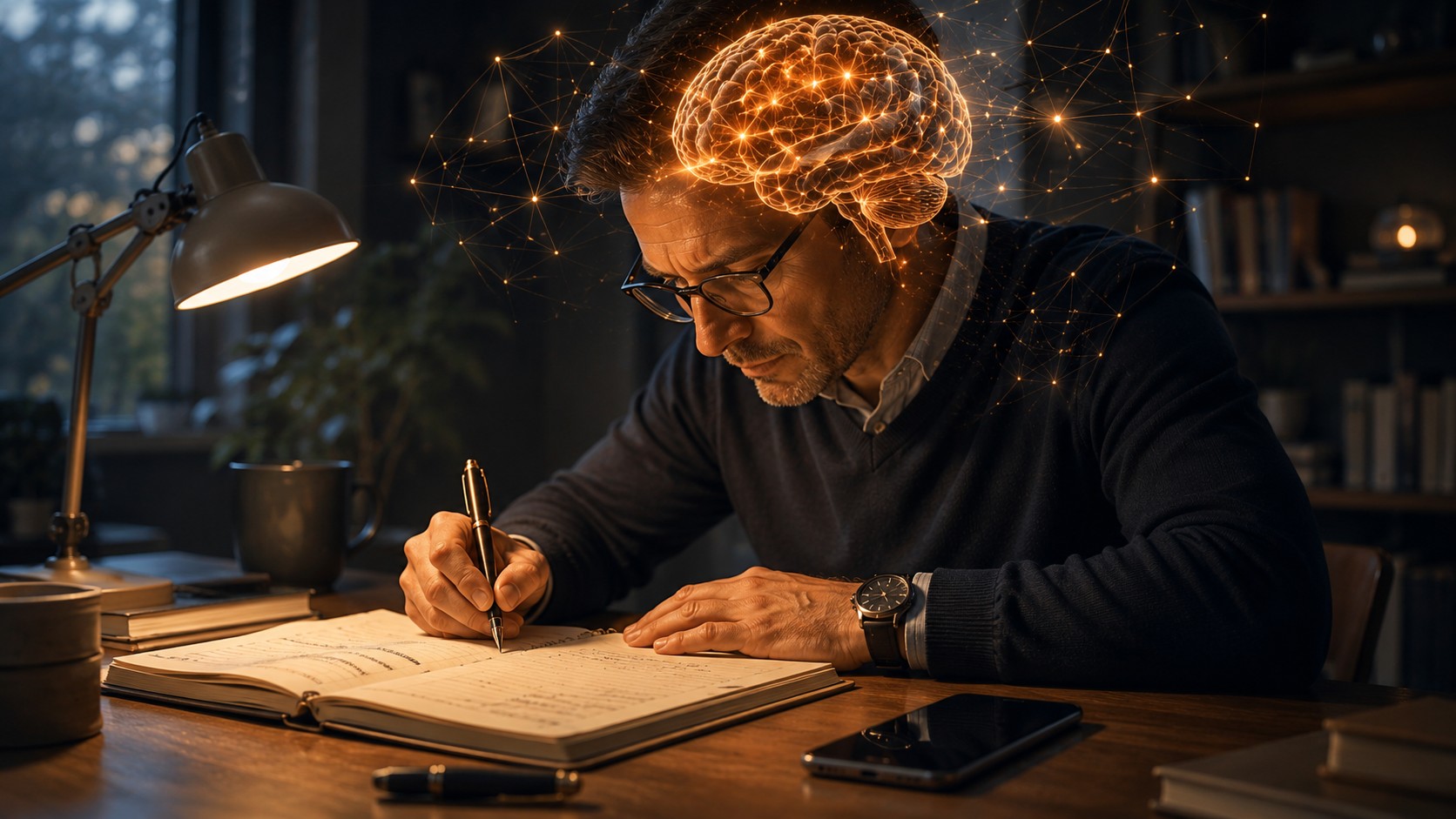
Still Using a Paper Planner? Your Brain Might Thank You
Writing by hand engages motor, visual and memory systems together — and research suggests paper planners can boost comprehension, recall and intentional focus.
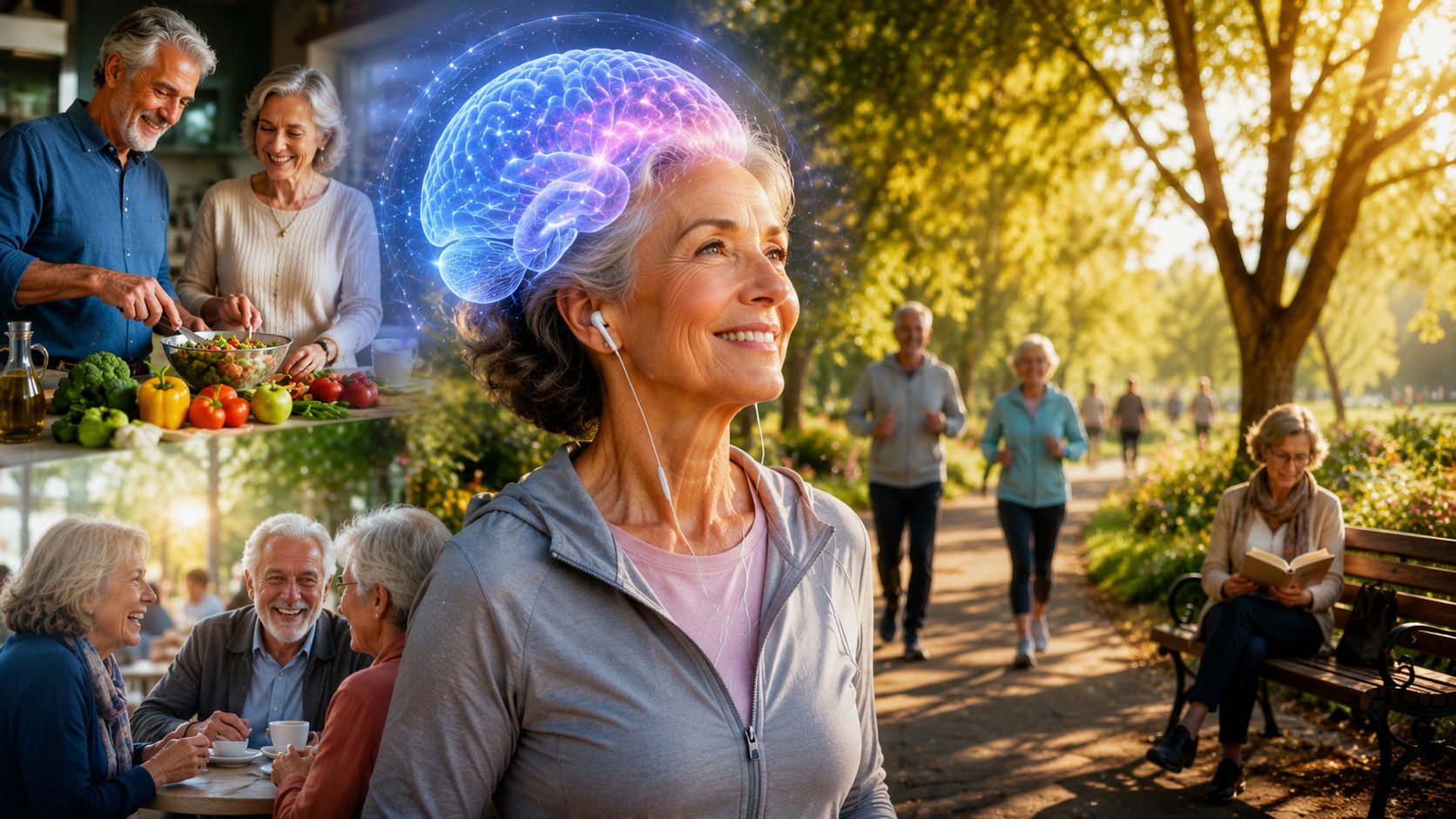
Healthy Brain, Healthier Future: Why Alzheimer's Prevention Starts Today
The best time to protect your brain is long before symptoms appear — lifestyle habits like sleep, exercise, learning and social ties may shape long-term cognitive resilience.
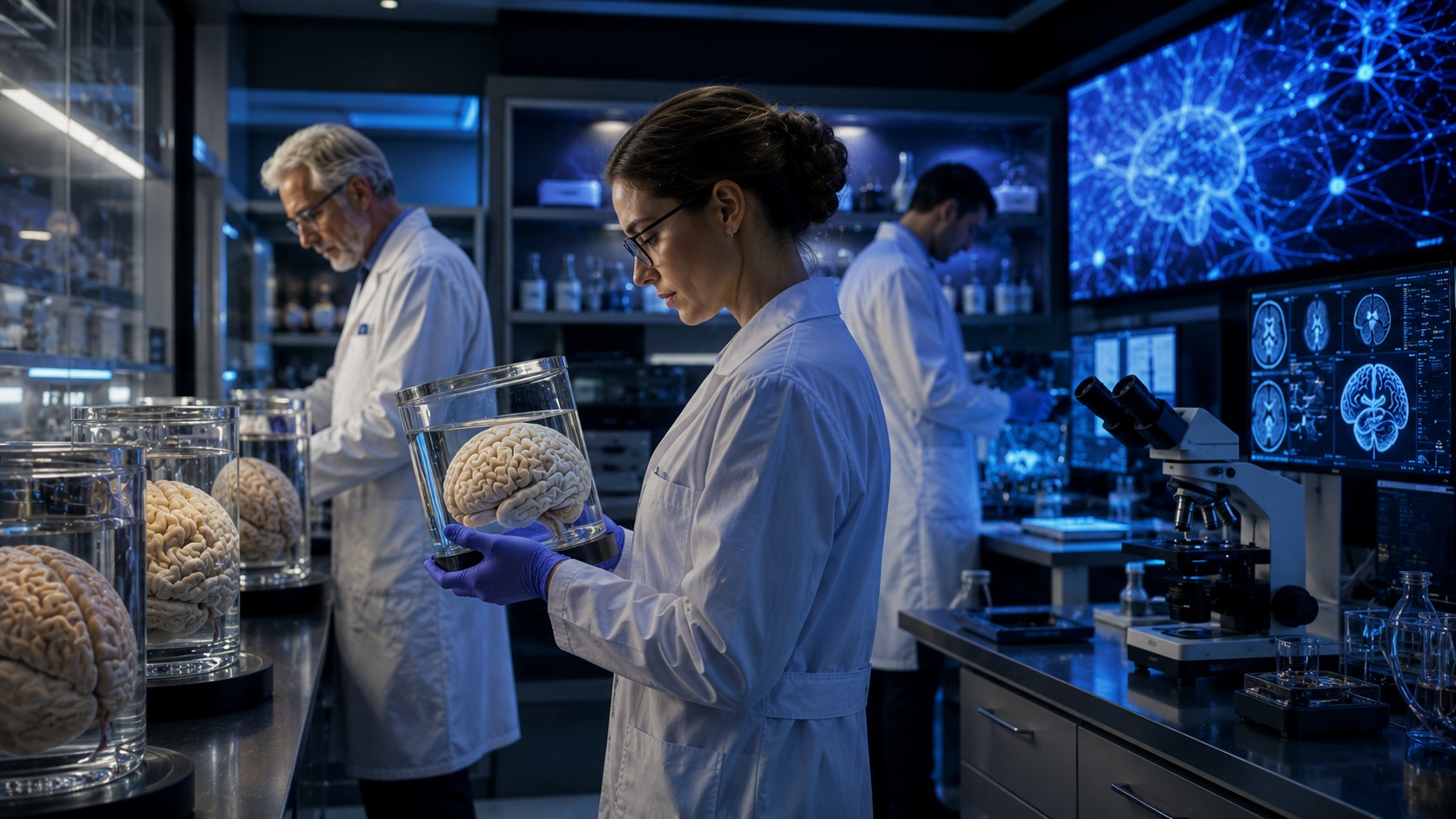
Why Are 3,800 Human Brains Stored in Montreal?
Inside a Montreal lab, a brain bank of more than 3,800 donated brains is helping researchers unlock the mysteries of Alzheimer's, Parkinson's, MS, epilepsy and depression.

Exercise + Brain Training: A Powerful Combo Against ADHD Symptoms?
Combining regular physical activity with targeted cognitive training may strengthen attention, impulse control and executive function in people living with ADHD.
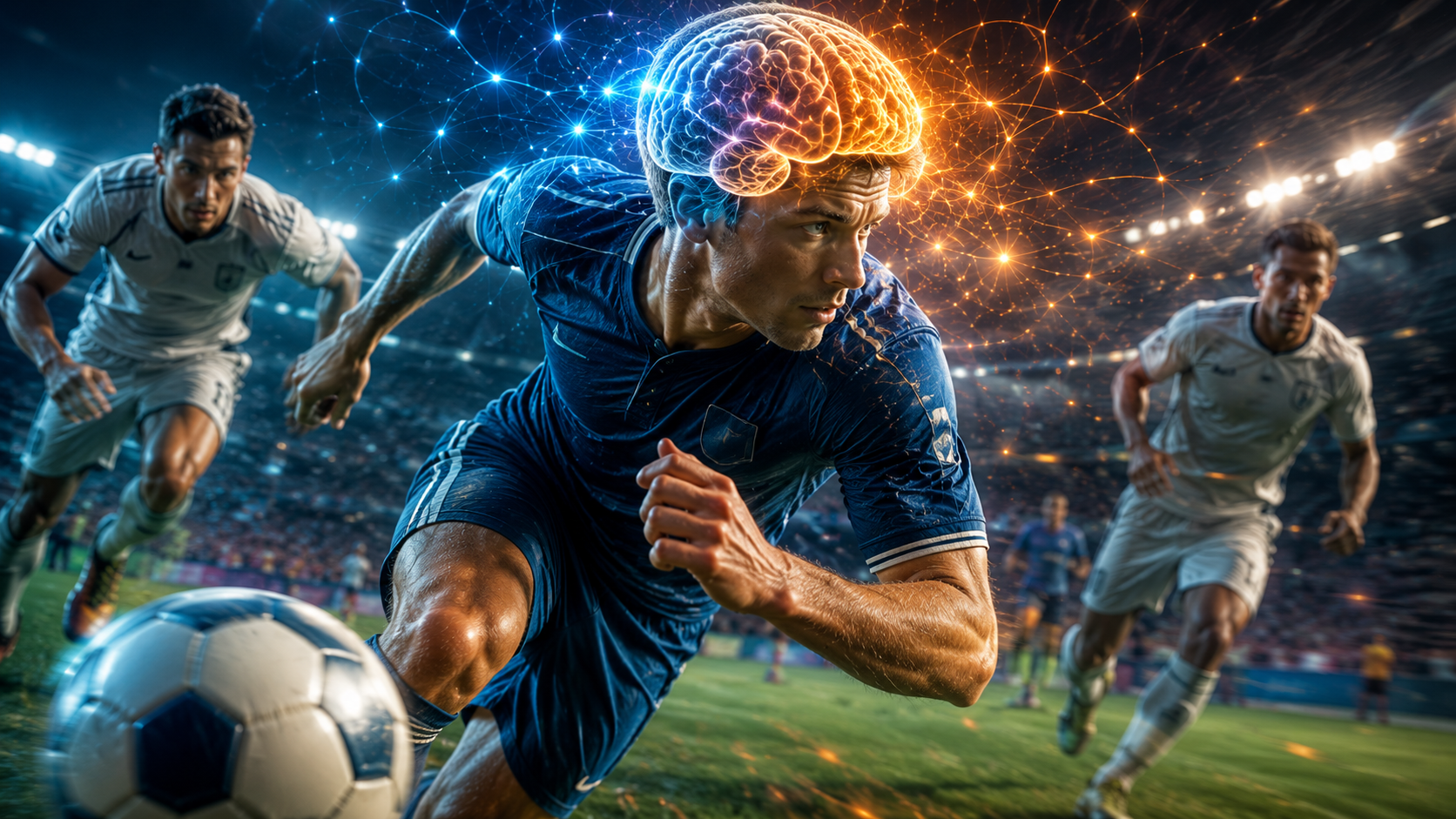
What Happens Inside Your Brain During a Football Match?
Football is a full-brain workout: attention, anticipation, spatial awareness, memory and split-second decisions all firing at once.
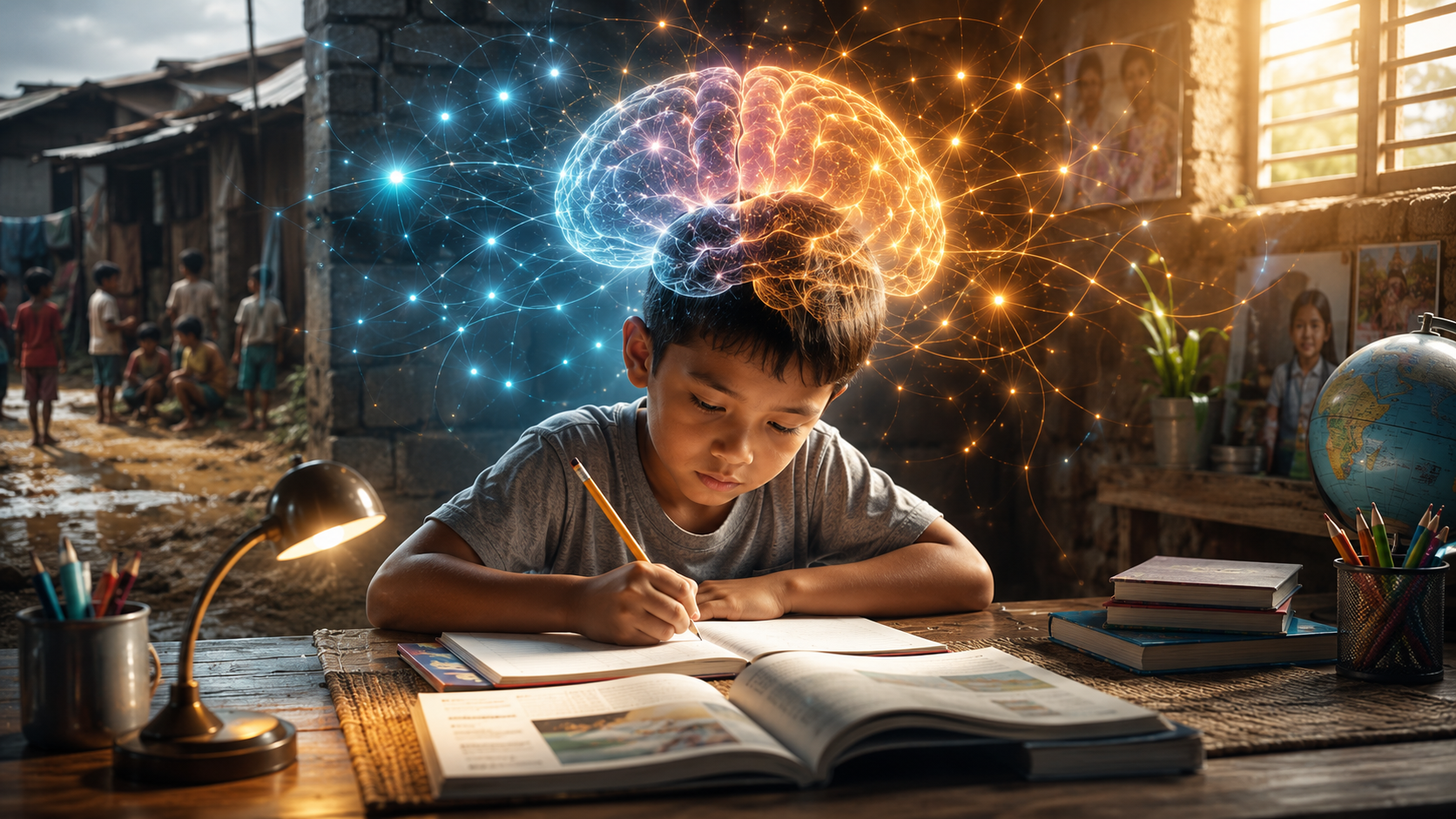
How Poverty Shapes a Child's Brain: What New Research Reveals
Chronic financial hardship can influence brain areas tied to language, memory and executive function — but the brain remains remarkably adaptable.
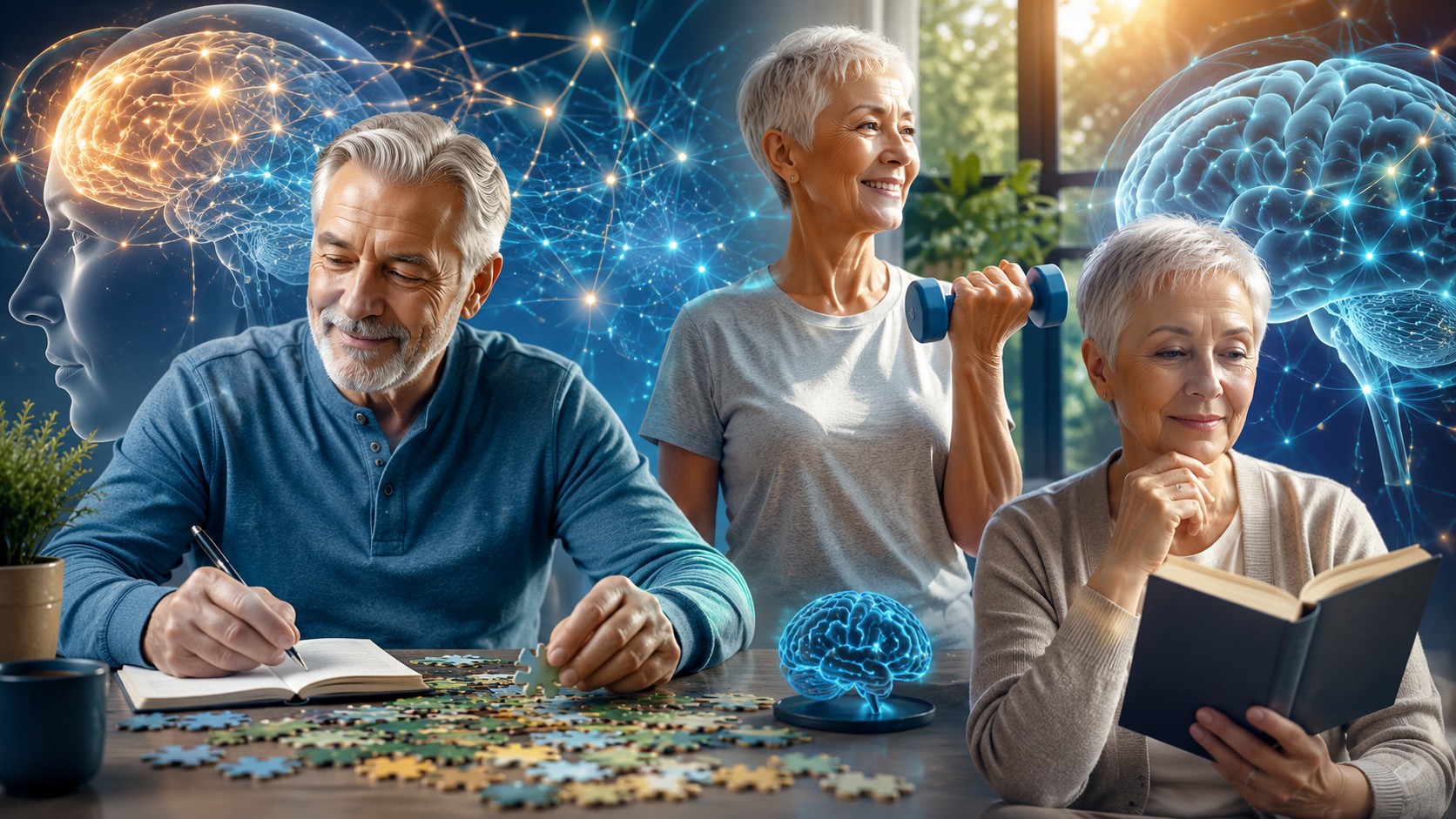
Can Your Brain Grow Again at 65? Neuroscientist Tommy Wood Thinks So
Neuroscientist Tommy Wood argues the aging brain stays adaptable later in life — and shares his '3 S' method (Stress, Strength, Stimulus) to keep it sharp.
New Study Links Deep Sleep to Stronger Memory Consolidation
Researchers find that slow-wave activity during deep sleep predicts how well new information is retained the next day — even more than total sleep duration.
The 'Dopamine Fasting' Myth, Revisited
Neuroscientists push back on the viral 'dopamine fasting' trend, arguing the underlying biology is misunderstood — but the underlying behavior change still helps.

Smartphone Notifications Fragment Attention More Than We Thought
A new field study quantifies how interleaved notifications degrade sustained focus — even when users do not consciously check their phones.